
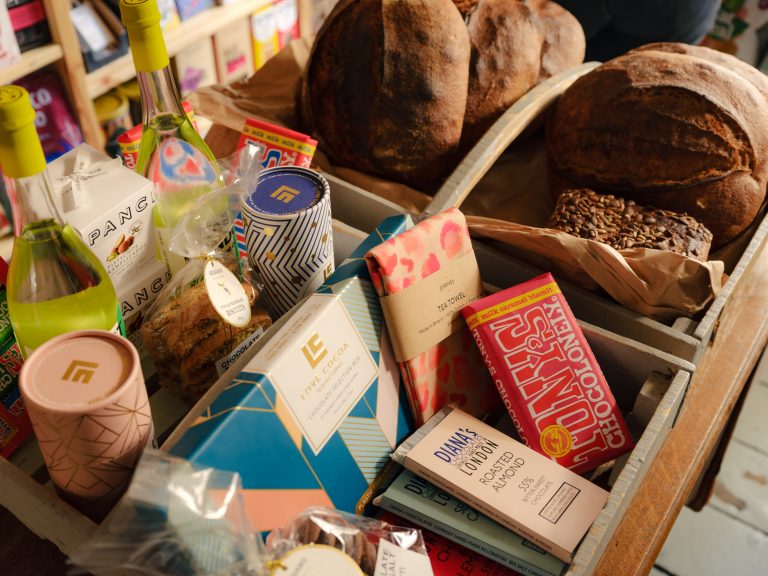
Easter chocolate is still selling—but the way people buy it is changing. Data from Faire, the marketplace used by retailers across the UK to buy products, shows chocolate now makes up 30% of Easter spending on its platform, down from 40% in 2024. Retailers are also filling more of the gap with gifts, decorations and non-chocolate items, with the number of UK retailers buying non-chocolate alternatives, such as Easter decorations, cards and novelty candles, having risen by 138%.
The data also reveals that shoppers haven’t abandoned chocolate, they’ve just become more selective. Prices have risen by more than 17% year-on-year to October 2025, according to the Office for National Statistics, and that’s pushing buying patterns upmarket. The cheapest end of the category is losing share, while mid-priced chocolate is becoming the new baseline.
That shift is also reinforcing demand for higher-quality, ethically made products. As Charlotte Broadbent of Faire put it, “cheap impulse Easter eggs may be losing ground, but beautifully made ethically sourced chocolate is selling better on our platform than ever before.”
For premium chocolatiers, that plays to their strengths. At The Chocolatier, founder Aneesh Popat discussed how Easter is still built around repeat, considered gifting: “We’ve kept our Easter range consistent, as it’s something our customers return to and enjoy year after year. Much of our chocolate is purchased as a gift, so it tends to be a considered choice rather than an impulse buy […] Each year we also introduce a short-run ‘hero’ product – this year it’s a crafted Easter bunny – alongside our core range. Across the wider market there has been some shrinkflation and a reduction in cocoa content, but fine chocolate tends to follow established quality standards.”
Elsewhere, brands like PLAYin CHOC are holding firm on sourcing and sustainability despite rising costs. Founder Maya Simler said: “Some companies have added more fat, changed ingredients, or reduced the cocoa content to keep up with prices but we believe in keeping the quality, as the whole company was created around ethical and sustainable principles.”
She added that price rises have been unavoidable, but carefully managed: “We were already paying a premium for cocoa and we have had to put prices up even more, but we’ve really tried to do it as little as possible.”
At the same time, innovation is helping keep the category fresh. Lisa Baker from Happi Choc pointed to changing consumer tastes: “We’re seeing growing demand for more interesting, premium products and trends are increasingly being driven by social media [… ] people might be buying less overall, but they still want something that feels high quality and aligned with their values,” she said.
Retailers are feeling the squeeze more directly. Mark Buchanan of We Are Fair Trade Ltd says the impact on volumes has been significant: “The rising cost of cocoa has hit us quite hard. Chocolate is a luxury purchase and we see clear evidence of people deciding to save on chocolate to free cash to buy other things.”
He added that sales pressures are forcing a rethink of range and strategy: “Our chocolate sales have dropped by an average of 35% […] We have reduced our range of Easter chocolate this year and are focusing on regular food products and some wooden craft items as an alternative.”
Overall, Easter chocolate is shifting rather than shrinking. Lower-priced impulse buys are under pressure, but premium, ethical chocolate is proving more resilient—and in some cases, gaining ground.